Buying your first piano can feel confusing. Should you choose a keyboard, digital piano, upright piano, or grand piano? This piano buying guide explains what matters before you buy, including weighted keys, 61 vs. 88 keys, acoustic vs. digital pianos, used pianos, brands, financing, and what beginners should look for.
What Is a Keyboard?
A musical keyboard is usually the most portable and affordable option. If you are comparing a piano vs. keyboard for serious piano study, pay attention to the number of keys, key size, touch response, and whether the keys are weighted.


Keyboard vs. Digital Piano vs. Acoustic Piano
Keyboard
Portable and flexible. Key count and key feel vary widely. Some have 61 keys, while others have 76 or 88.
Digital Piano
Often 88 full-size weighted keys, pedals, speakers, headphones, and a piano-style action.
Acoustic Piano
Uses real hammers and strings. Offers a natural acoustic response but needs more space and regular tuning.
Weighted Keys: Why They Matter
Weighted keys provide resistance closer to an acoustic piano. They help students develop finger control and more natural piano technique.
Weighted action describes how the keys physically feel. Touch sensitivity describes how the sound changes depending on how softly or firmly you play.
61 vs. 88 Keys: Which Is Better?
A 61-key keyboard can be enough for very early exploration, but an 88-key digital piano gives the full piano range and is the better long-term choice for students who plan to continue lessons, play classical repertoire, or prepare for RCM exams.
Digital Piano vs. Acoustic Piano: Which Should You Buy?
Digital may fit you better if…
You live in an apartment, need headphones, want lower maintenance, or need an instrument that is easier to move.
Acoustic may fit you better if…
You value natural acoustic sound and traditional action, and you have the space and budget for tuning and maintenance.
What Is the Best Piano for Beginners?
The best piano for beginners depends on the student, available space, goals, and budget.
- 88 full-size keys when possible
- Weighted or hammer-action keys
- Touch sensitivity
- A proper sustain pedal
- A stable stand or cabinet
- An adjustable bench at the correct height
- Headphone support if quiet practice is important
Upright Piano vs. Grand Piano
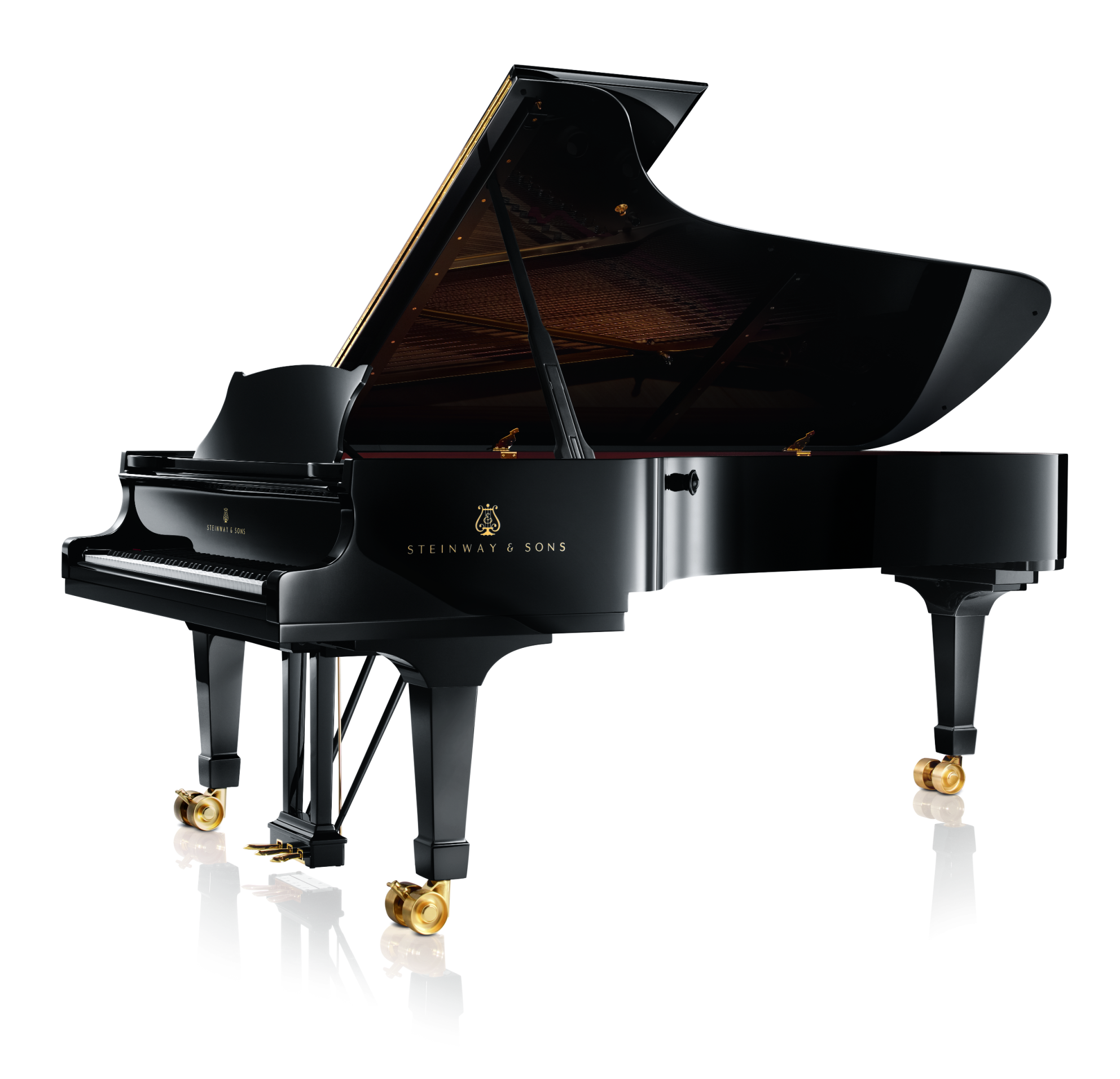
An upright piano uses vertical strings and is easier to fit into a typical home. A grand piano uses horizontal strings and a different action design. Grands take up substantially more space and are often chosen by advanced players, professionals, institutions, and families looking for a long-term premium instrument.
Popular Piano Brands
Brand is not the only factor when you buy a piano, but understanding the major piano families can make shopping easier.
The Steinway Family
Steinway & Sons is the flagship brand. Boston and Essex are Steinway-designed piano lines offered at different price points.


How Much Does a Piano Cost?
When asking how much does a piano cost, remember that the sticker price is only part of the budget.
- Bench, stand, and pedals
- Delivery or professional moving
- Tuning and service for acoustic pianos
- Taxes and possible repairs
Prices change frequently, so compare current Canadian pricing before making a decision.
Buying a New Piano vs. a Used Piano
Used acoustic piano
Check the action, tuning stability, strings, soundboard, pedals, cabinet condition, and moving cost. Consider an independent technician inspection before purchase.
Used digital piano
Test every key, speakers, headphone output, pedals, buttons, connections, and power supply.
Rent or Buy a Piano?
If you are unsure how long you will continue lessons, renting can be a practical way to begin. When comparing rent or buy a piano, ask about the minimum rental period, delivery fees, damage policies, rent-to-own terms, and whether rental payments can be applied toward a purchase.
Trade-Ins, Upgrades and Financing
Some piano retailers allow you to trade in your old piano toward a newer instrument or offer upgrade programs.
Some retailers also offer promotional 0% financing or rent-to-own programs at certain times, subject to approval and current store terms.
Tip: compare the full purchase price, financing term, delivery, warranty, tuning or service, and trade-in conditions—not just the monthly payment.
Where Can You Try and Buy a Piano in Vancouver?
If you want to buy a piano in Vancouver, visiting a showroom is useful because two pianos with similar specifications can feel very different under your hands.
Tom Lee Music is one local option where families can compare acoustic and digital pianos, including Steinway & Sons, Boston, Essex, Yamaha, and other brands. Inventory and promotions change, so check current availability before visiting.
Ask Your MiFa Teacher Before You Buy
Your MiFa teacher knows your level, goals, and what you are currently working on. Our teachers can help you compare brands and models and explain which features actually matter for your playing.
MiFa also has preferred pricing with some piano vendors, so we may be able to help you find the best fit and better value.
Quick Piano Buying Checklist
- Choose between a keyboard, digital piano, upright piano, or grand piano.
- For serious piano study, look for 88 full-size weighted keys.
- Check touch sensitivity, pedal support, bench height, and headphone options.
- Measure your room and confirm delivery access.
- Compare the full cost, including accessories, delivery, tuning, and service.
- If buying used, consider an independent inspection for an acoustic piano.
- Ask about trade-ins, upgrade programs, financing, and current promotions.
- Ask your MiFa teacher whether the model is a good fit for your level and goals.
Start Piano Lessons at MiFa Music & Art School
If you are choosing your first instrument because you are starting lessons, explore our Piano Lessons in North Vancouver. MiFa teachers can help beginners and families choose an instrument that supports comfortable practice and long-term progress.
You can also learn more about the different types of pianos before making your purchase.