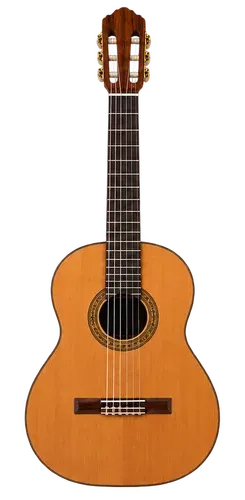
Classical guitar
Nylon strings and a warm sound. A suitably sized classical guitar can be a comfortable choice for younger beginners, with strings that feel gentler on the fingers.

Our private guitar lessons in North Vancouver help kids, teens and adults learn the music they want to play. Choose classical, acoustic or electric guitar at our Edgemont Village studio. You can also take ukulele lessons.
Choose a consultation timeFree 20-minute consultation with a teacher. Try a short activity and discuss instrument fit and lesson length. View guitar lesson fees · Ask us about lessons
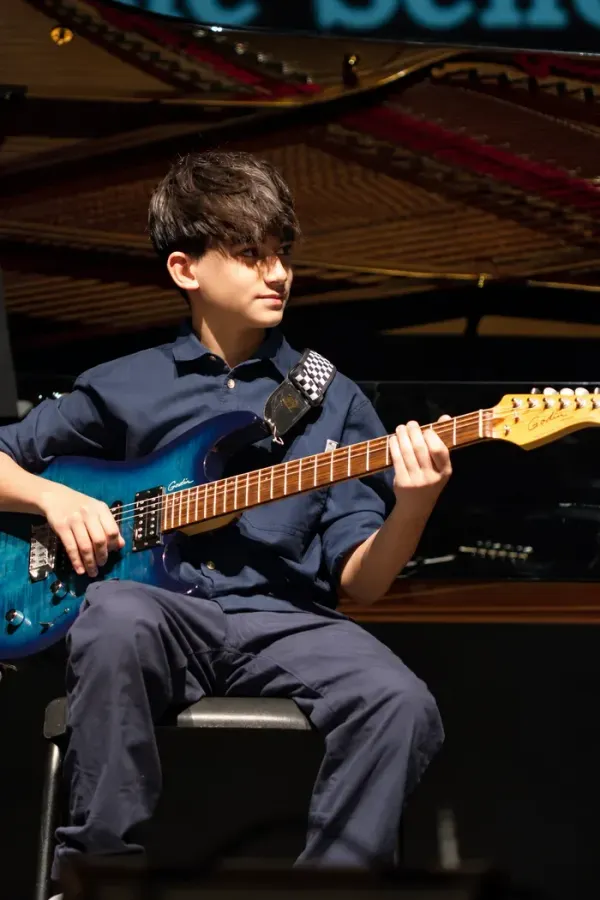
FIND YOUR SOUND
Explore classical, acoustic and electric guitar—or try ukulele. We’ll help you choose a comfortable instrument for the music you love.
Nylon strings and a warm sound. A suitably sized classical guitar can be a comfortable choice for younger beginners, with strings that feel gentler on the fingers.
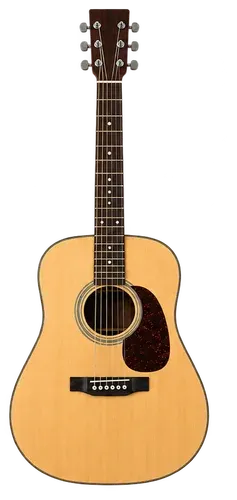
Steel strings and a bright, resonant sound. A good option for learners drawn to strumming, fingerpicking and accompanying songs; size and setup matter for comfort.
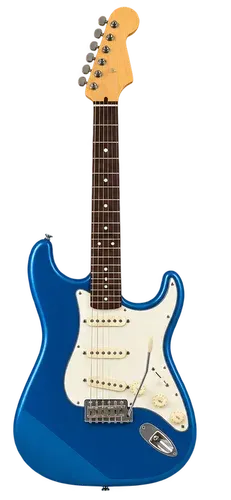
An amplifier opens up a range of sounds. Beginners can start here too, especially if riffs, rock or pop inspire them to practise.
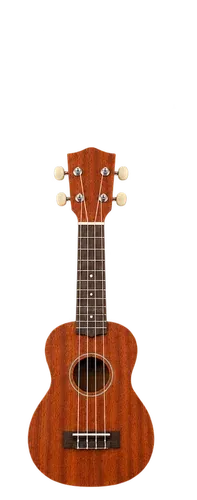
Its compact size and four strings can suit smaller hands. A musical choice for kids, teens and adults—not just a stepping stone to guitar.
| At a glance | Guitar | Ukulele |
|---|---|---|
| Typical strings | Six | Four |
| Size & sound | Usually larger, with a wider pitch range | Usually smaller, with a bright, light sound |
| Getting started | Instrument size, string type and setup affect comfort | A shorter reach may feel comfortable for some learners |
| Who it’s for | Kids, teens and adults | Kids, teens and adults |
Not sure which to choose? We can talk it through at your free consultation.
A LITTLE STRUCTURE. ROOM TO EXPLORE.
Build technique, rhythm and musical understanding together, connecting the music you enjoy with the skills you need to play it.
Beginners develop foundations step by step. Meanwhile, returning and experienced players can focus on pieces, techniques or performance goals that matter to them.
Whether you choose guitar or ukulele, lessons can help you develop your own musical voice.
NO MUSIC-READING EXPERIENCE NEEDED
Tabs show where to put your fingers. Standard notation shows the notes and their rhythm. Here’s the same short guitar phrase in both.
Each line is a string. The number tells you which fret to press; 0 means play the string without pressing a fret.
The note’s position shows its pitch. Its shape tells you how long to hold it. These three notes each last one beat in this example.
Same notes: B–C–D on the second string of a guitar in standard tuning. Chord diagrams are another useful tool: they show where to place your fingers to play several notes together.
You don’t need to know any of these before starting. Your teacher will introduce them as you learn.
A STRUCTURED WAY TO LEARN
Method books connect playing, reading music and regular practice. These are two established options; your teacher can help choose the right book and pace.

Book 1 introduces tuning, playing position, notes, rhythms, strumming and easy chords for acoustic or electric guitar.
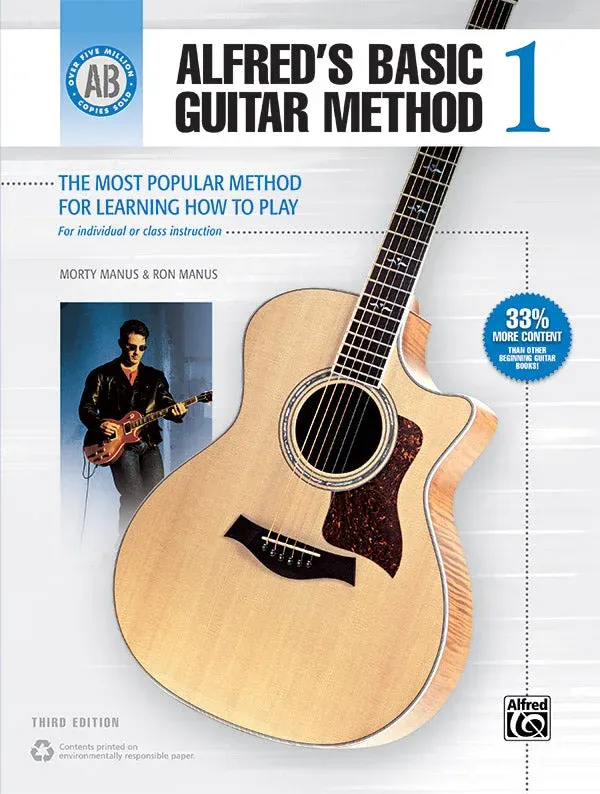
Another established beginner method, covering reading music, notes on all six strings, chords, scales and songs.
Alongside method books, your teacher may use songs, listening and other materials. Please check with them before buying.
THE ROYAL CONSERVATORY · GUITAR
Practical skills · Musicianship · Theory
Working towards a Royal Conservatory guitar exam? Develop practical skills, musicianship and theory alongside each other, with a plan that fits your current level.
Explore RCM preparation →Progressive repertoire and etudes from Preparatory to Level 8, with a separate technique book covering Preparatory to ARCT.
View series on the RCM website ↗RECITALS · OUTDOOR CONCERTS · COMMUNITY
Build confidence through concert-hall recitals, outdoor performances and competitions. Students and teachers share music, make connections and celebrate each other’s progress.
Your teacher can help you prepare a piece and work towards your next performance.
A FEW HELPFUL ANSWERS
Readiness depends on the child’s interest, coordination and ability to hold a suitable instrument comfortably. A consultation helps us discuss the right instrument and starting point. For younger children, our Intro to Music program for ages 3–5 builds musical foundations.
You can start directly with guitar. Ukulele can also be a rewarding instrument in its own right. The choice depends on the sound you enjoy, the instrument’s fit and your goals.
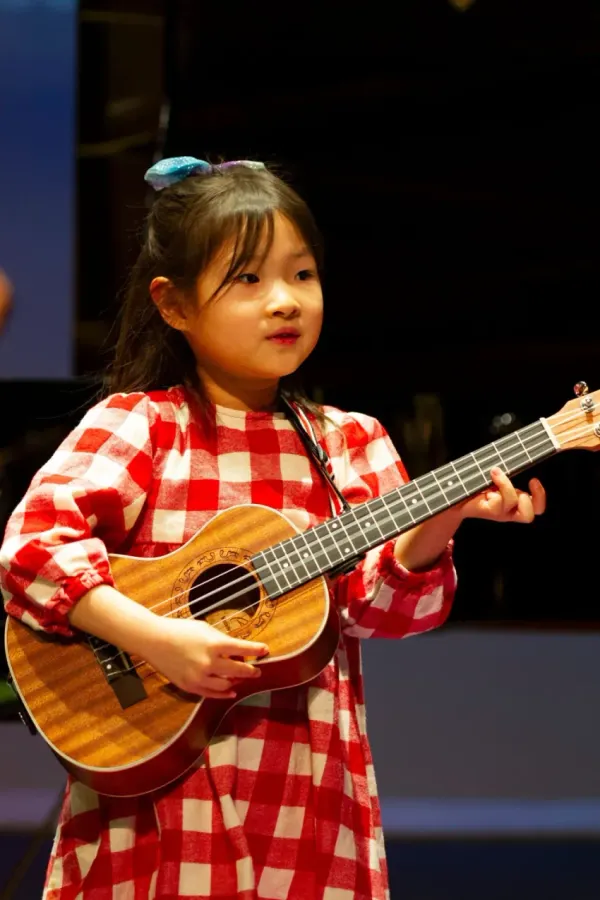
No. Children, teens and adults can all learn ukulele. Lessons can include accompaniment, melodies and fingerstyle playing, shaped around your experience and interests.
Yes. You can begin with no previous musical experience or return after a break. We’ll discuss your goals and find a manageable starting point.
No. Reading can develop alongside playing. Depending on your goals, lessons may use tabs, chord diagrams, standard notation and listening skills.
You’ll need access to a suitable instrument for regular practice between lessons. Speak with us before buying so we can help you consider size, comfort and the type of music you want to play.
| Lesson length | Fee |
|---|---|
| 30 minutes | $55 |
| 60 minutes | $105 |
Private ukulele lessons have the same rates. At your free 20-minute consultation, your teacher can help you choose a lesson length. Studio visits are by appointment only.